

Understanding Lineage
More than a historical connection
In Vajrayana Buddhism, lineage is not simply a list of names from the past. It describes the living continuity through which teachings, instructions and practice are transmitted from teacher to student.
Texts preserve teachings in written form, but lineage also preserves how those teachings are understood and practised. This relationship between study, transmission and direct guidance is especially important within Vajrayana traditions.
For this reason, the association approaches Dudjom Tersar not simply as Buddhist history, but as a living tradition of practice.
The Journey
A living tradition, carried forward
Nyingma
The Nyingma, or “Ancient”, tradition is the oldest of the major schools of Tibetan Buddhism and traces its transmission to the earliest period of Buddhism in Tibet.
Dudjom Lingpa
1835–1904Dudjom Lingpa was an influential Nyingma treasure revealer whose revealed teachings form a major part of what became known as the Dudjom Tersar.
Kyabje Dudjom Rinpoche Jigdral Yeshe Dorje
1904–1987Dudjom Rinpoche Jigdral Yeshe Dorje was recognised as the reincarnation of Dudjom Lingpa and became one of the most influential Nyingma masters of the twentieth century. His own revealed teachings, together with those of Dudjom Lingpa, form the body of teachings commonly known as Dudjom Tersar — the “New Treasures of Dudjom.”
Dungse Thinley Norbu Rinpoche
Dungse Thinley Norbu Rinpoche was a son of Dudjom Rinpoche and an important master and author within the Dudjom tradition. He transmitted the lineage to many students and was the father and root teacher of Dungsey Garab Dorje Rinpoche.
Dungsey Garab Dorje Rinpoche
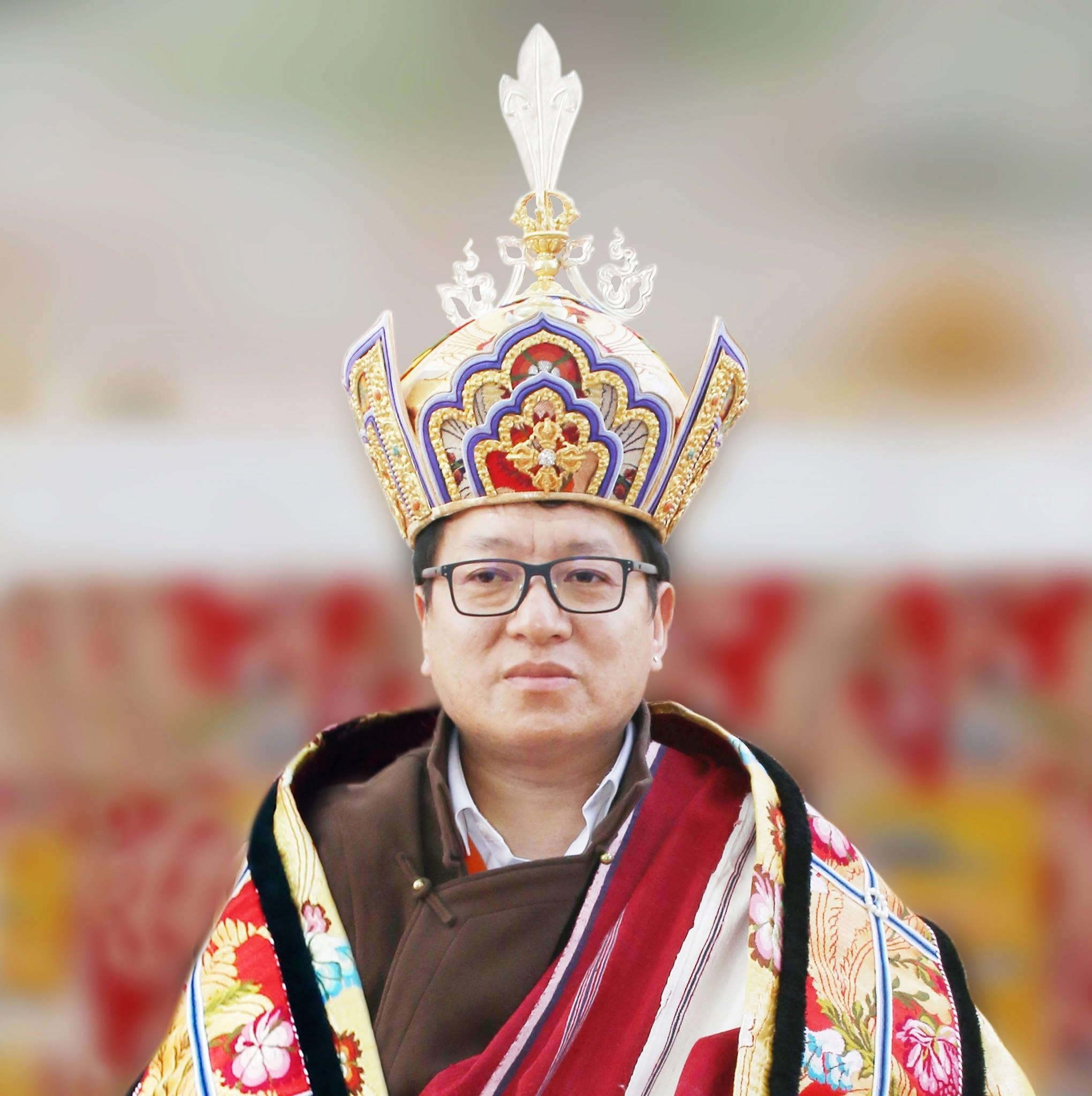
Born in eastern Bhutan, Dungsey Garab Dorje Rinpoche received extensive Dudjom lineage teachings and has continued this Dharma activity through teaching, practice communities, monasteries and retreat centres.
Dudjom Krodikali Association
The association was founded under Rinpoche's guidance to create a community centred on Dharma practice, with particular connection to Tröma Nakmo / Krodikali Chöd.
Biography of Rinpoche
A life dedicated to the continuation of Dharma
Dungsey Garab Dorje Rinpoche was born in Brekha in eastern Bhutan, into a family deeply connected with Buddhist practice and transmission.
His father, Dungse Thinley Norbu Rinpoche, was a renowned Nyingma master and son of Kyabje Dudjom Rinpoche Jigdral Yeshe Dorje. Through his father and other teachers, Garab Dorje Rinpoche received the teachings and transmissions of the Dudjom tradition from a young age.
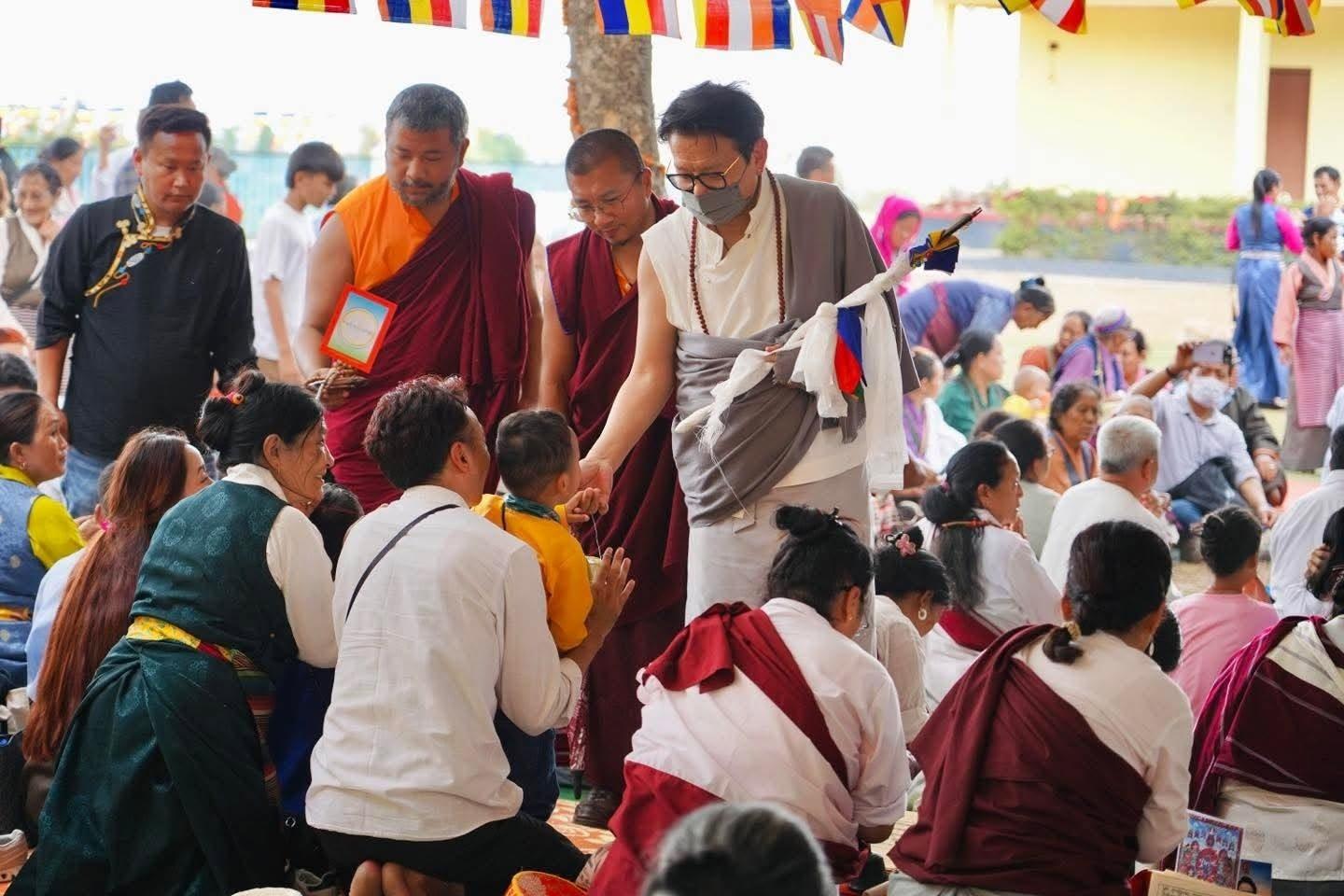
Rinpoche's Dharma activities have included the development and guidance of monasteries, nunneries, retreat centres, teachings and lay practice communities. His work has enabled large numbers of practitioners — both within Bhutan and internationally — to establish an active relationship with the Dudjom tradition.
Among these activities, Rinpoche has placed particular emphasis on collective practice connected with Tröma Nakmo, or Krodikali, creating communities in which lay practitioners can maintain consistent Dharma practice under lineage guidance.
Rangjung Woesel Chöling
A seat of Dharma activity in eastern Bhutan
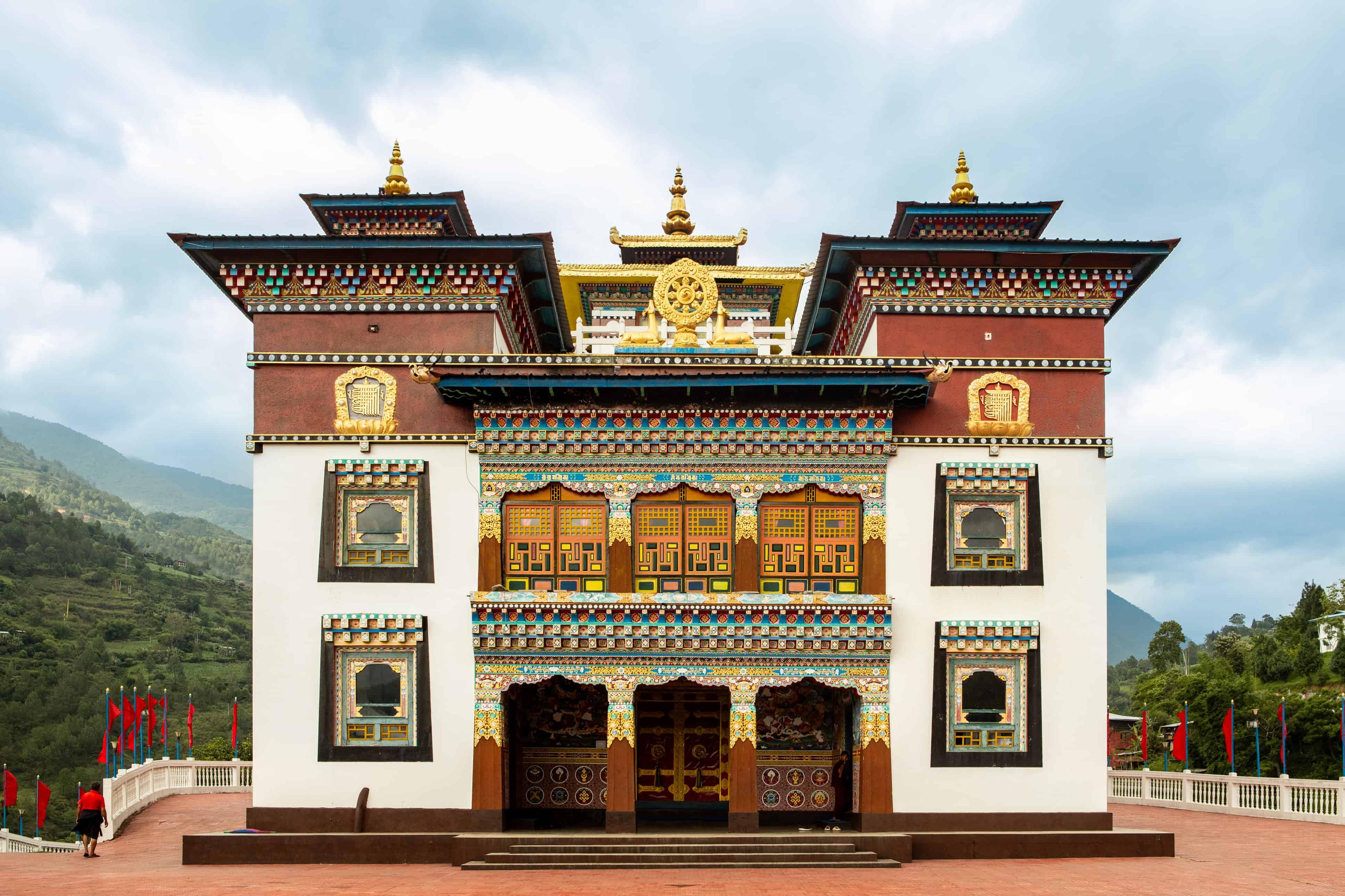
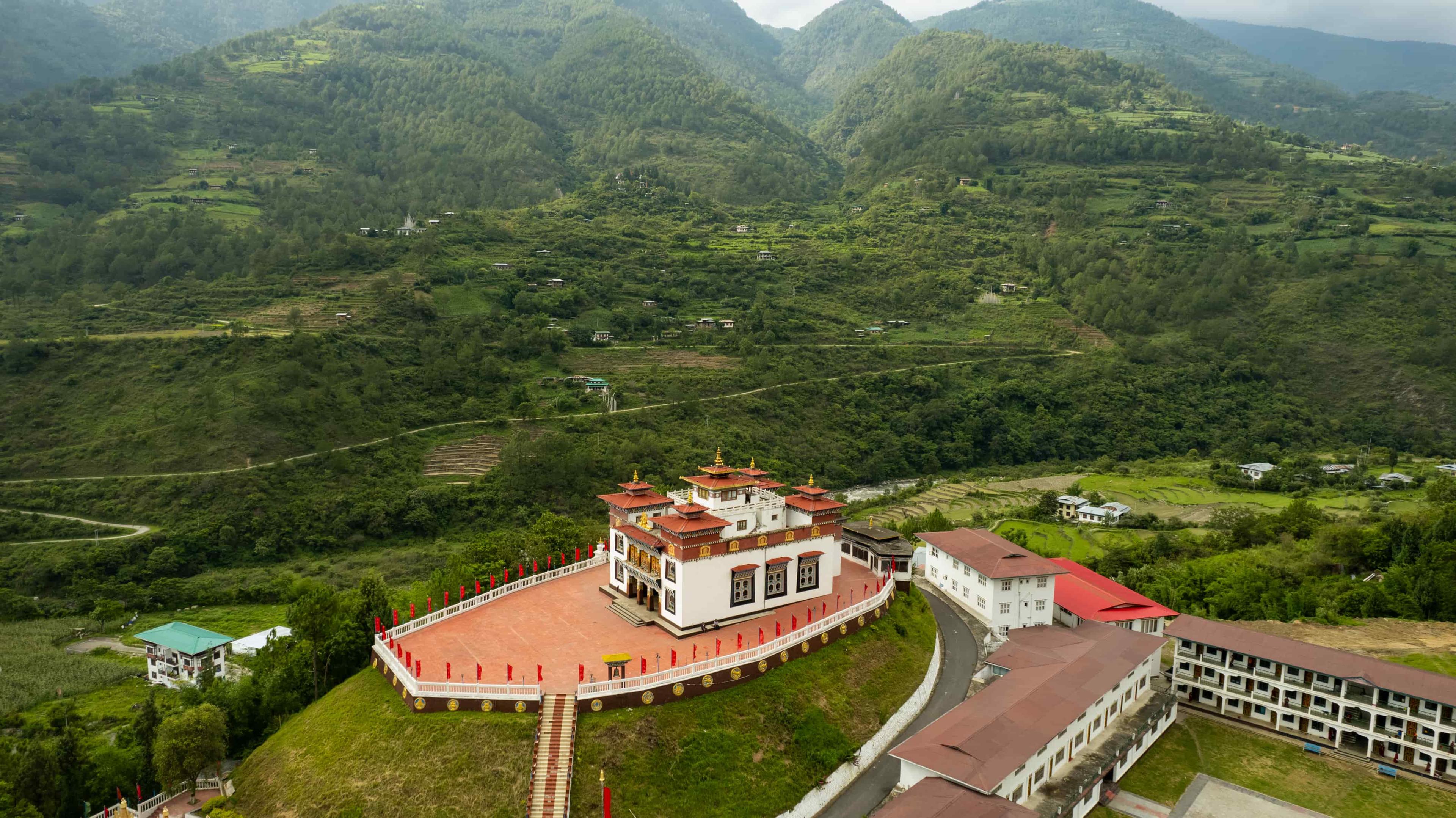
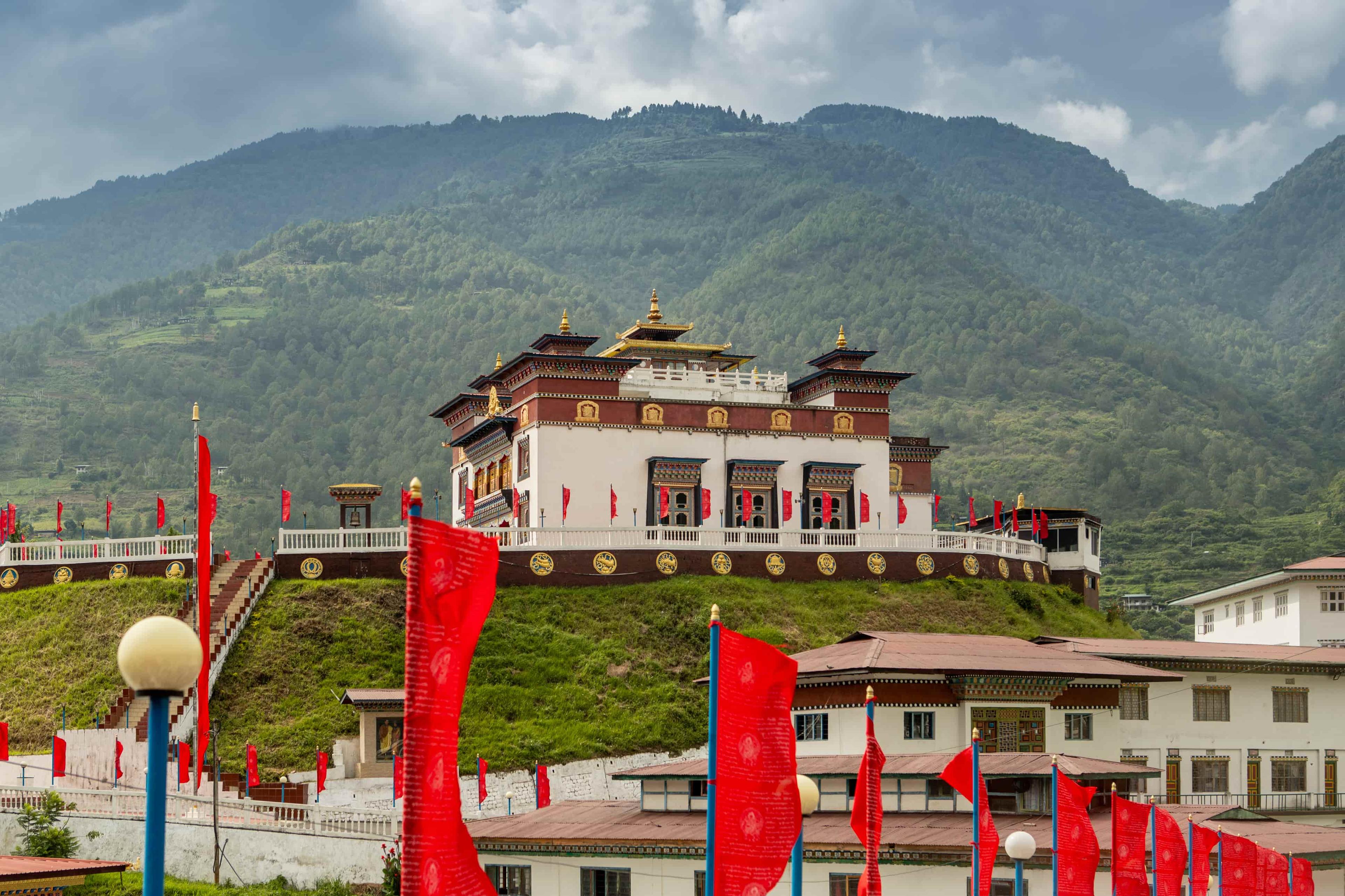
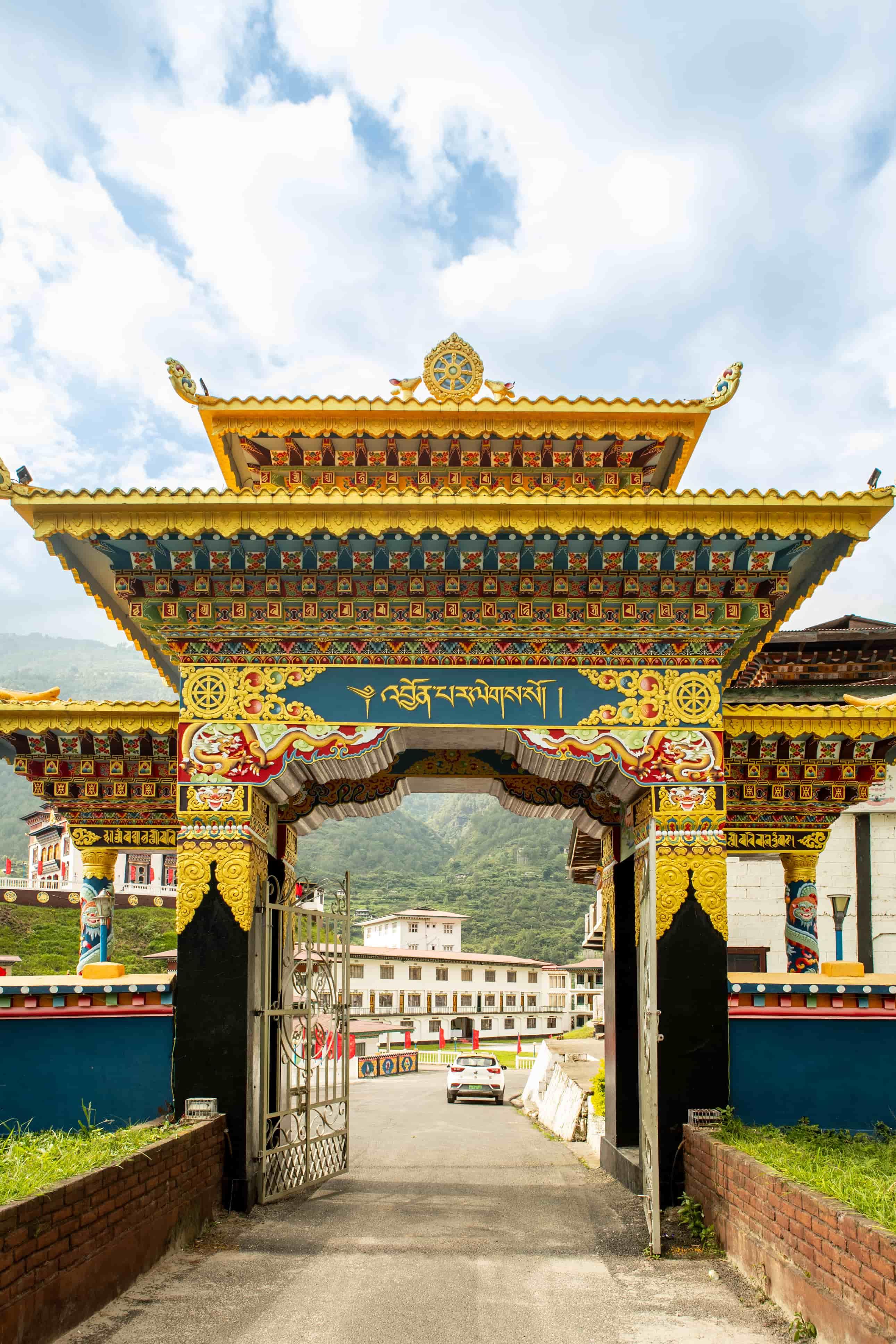
Founded by Dungsey Garab Dorje Rinpoche in 1989, Rangjung Woesel Chöling Monastery stands in Rangjung, Trashigang in eastern Bhutan.
The monastery was established to create a conducive environment for the study of Buddha Dharma as taught within the Dudjom New Treasure lineage and to support Dharma activity for the benefit of the wider Buddhist community.
Over time, Rinpoche's Dharma activity around Rangjung has grown to include monastic education, retreat environments and communities of monks, nuns and lay practitioners.
An Important Principle
Received with guidance. Practised with responsibility.
Many Vajrayana practices are traditionally received through empowerment, oral transmission and instruction from qualified lineage teachers. The presence of texts alone does not replace this relationship.
For this reason, this website introduces the tradition and its practices but does not attempt to provide restricted ritual instructions or replace personal guidance from an authorised teacher.
Continue Exploring