
Dharma & Dudjom Tersar
A tradition of study, transmission and practice
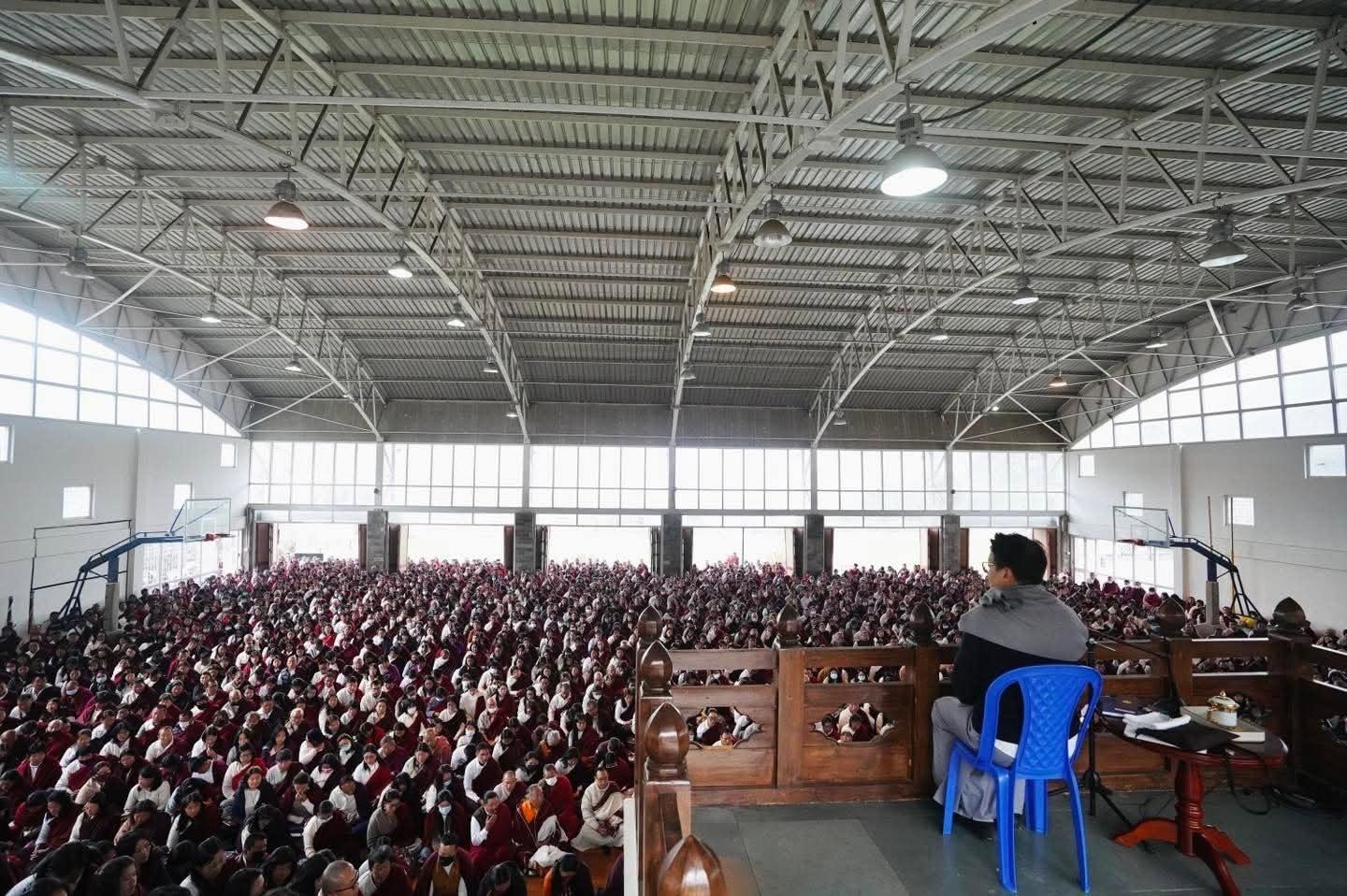
Dharma refers to the teachings of the Buddha and, more broadly, to the path through which those teachings are understood and put into practice.
Within the Nyingma tradition, the Dudjom Tersar contains cycles of teachings and practice associated especially with Dudjom Lingpa and Kyabje Dudjom Rinpoche Jigdral Yeshe Dorje.
“Tersar” means “New Treasure.” These teachings belong to the Nyingma tradition of terma — spiritual treasures revealed by accomplished masters for particular circumstances and generations.
The Dudjom Tersar includes teachings ranging from foundational practice to advanced Vajrayana and Dzogchen traditions. Their continuation depends not only on preservation of texts but on study, transmission and genuine practice.

Understanding the Practice
Tröma Nakmo / Krodikali
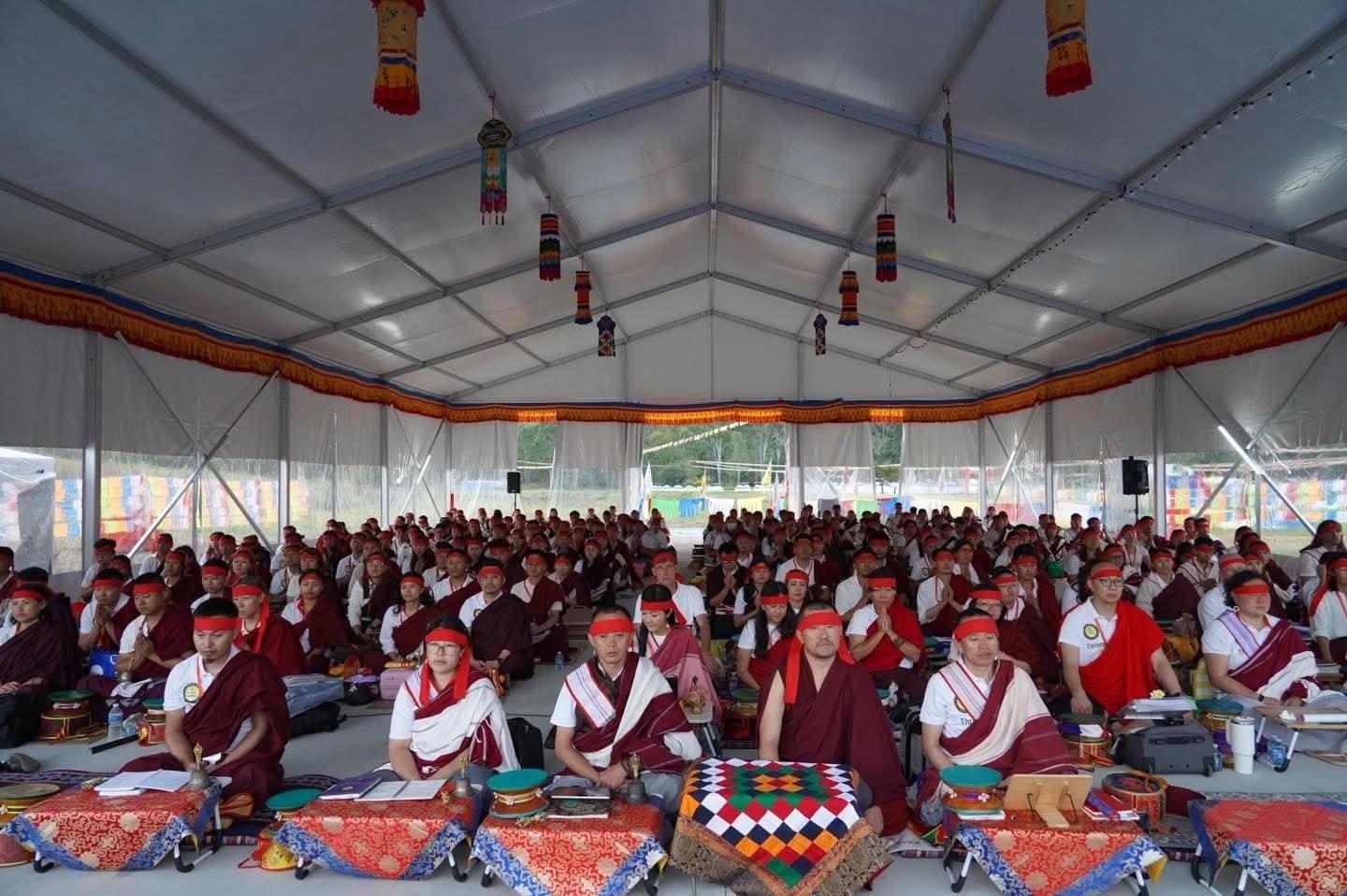
Tröma Nakmo — known in Sanskrit as Krodikali — is an important wisdom figure within the Dudjom Tersar tradition and is particularly associated with Chöd.
The imagery of Tröma may appear fierce or wrathful, but in Vajrayana Buddhism wrathful appearance does not represent ordinary anger. It expresses awakened wisdom acting forcefully against ignorance, fixation and the causes of suffering.
Within Chöd, the emphasis is ultimately directed inward: towards releasing attachment to self, fear and the habitual patterns through which experience is divided into what we defend and what we resist.
Because Tröma practice belongs within Vajrayana transmission, this website provides only a general introduction.

What is Chöd?
Cutting through clinging
Chöd is a Tibetan Buddhist practice whose name means “cutting” or “severing.”
The practice is directed towards cutting through ego-clinging — the deeply rooted habit of treating the self as something fixed, separate and continually in need of protection.
Rather than simply avoiding difficult experiences, Chöd traditionally works with fear, attachment and grasping as part of the path.
Within the Dudjom Tersar lineage, Tröma Nakmo Chöd forms an important cycle of practice maintained through teachers and practitioners who have received the appropriate transmission.
Why Guidance Matters
Teachings are more than information
It is easy today to find Buddhist texts, recordings and ritual material online. Vajrayana Buddhism, however, has traditionally placed great importance on the relationship between teachings and the qualified teachers who transmit them.
Empowerment, oral transmission and instruction provide context for practices that cannot be understood fully from text alone.
For this reason, the association encourages sincere study while respecting the traditional boundaries around advanced practice.

A Small Dharma Glossary
Key terms
The teachings of the Buddha and the path of understanding and practice based upon them.
The “Ancient” tradition of Tibetan Buddhism, associated with the earliest transmission of Buddhist teachings into Tibet.
Literally “New Treasure”; in this context referring to the Dudjom New Treasure tradition.
A structured Vajrayana practice text and the meditation/ritual practice associated with it.
A communal Vajrayana feast offering performed as part of particular practices and observances.
A Vajrayana practice whose name means “cutting,” particularly in the sense of cutting through ego-clinging and attachment.
Known as Krodikali in Sanskrit, an important wisdom figure and practice within the Dudjom Tersar tradition.

Beginning with Understanding
Start where you are
If you are new to the tradition, begin by learning about the lineage, attending suitable public teachings and speaking with experienced members of the Dharma community. There is no need to rush toward advanced practices. Buddhist training unfolds gradually through understanding, reflection, ethical conduct, meditation and guidance.
Continue Exploring