

An Approach to Practice
Study, reflection and lived experience
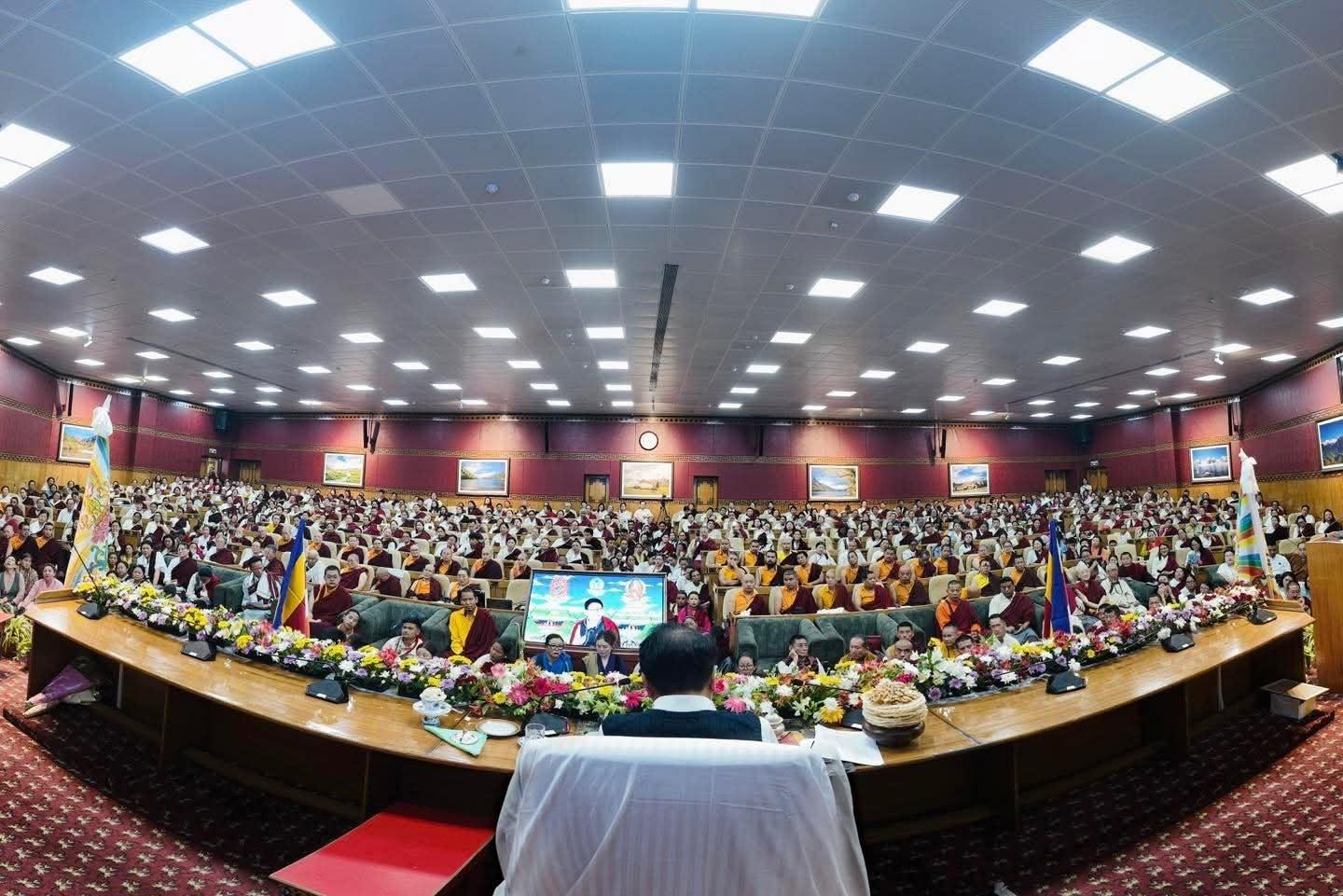
Buddhist practice develops through more than one activity. Teachings provide understanding; meditation creates the space to examine experience directly; traditional practices create continuity with the lineage; and community gives practitioners an environment in which to learn and practise together.
Within the Dudjom tradition, these elements support one another. The association therefore brings together different forms of Dharma activity rather than treating them as separate paths.
Our Practices
Forms of Dharma activity
Dharma Teachings
Teachings provide the view and context needed to understand Buddhist practice. Sessions may explore foundational Buddhist principles as well as teachings connected with the Nyingma and Dudjom Tersar traditions.
Meditation
Meditation supports the cultivation of awareness, stability and insight. Depending on the gathering, sessions may range from accessible quiet practice to forms of meditation connected with particular Buddhist teachings.
Sadhana Practice
Sadhana brings together meditation, recitation, visualisation and ritual within a traditional Vajrayana framework. Particular sadhanas are undertaken according to the instructions and transmission associated with the lineage.
Tröma / Chöd
Tröma Nakmo, or Krodikali, is closely connected with Chöd practice within the Dudjom tradition. Chöd literally carries the sense of “cutting through” and is associated with working directly with ego-clinging, attachment and habitual grasping. Because this is Vajrayana practice, detailed instruction belongs within proper lineage transmission rather than on a public website.
Tshok Offerings
Tshok is a communal Vajrayana feast offering performed on appropriate practice occasions. It brings practitioners together through liturgy, offering, remembrance of the lineage and shared practice.
Retreats
Retreat provides time and space for practitioners to step away from ordinary distraction and deepen study, meditation and practice over a dedicated period.
Buddhist Ceremonies
The community may gather around important Buddhist observances, prayer occasions and ceremonies connected with the practice calendar.
Community Gatherings
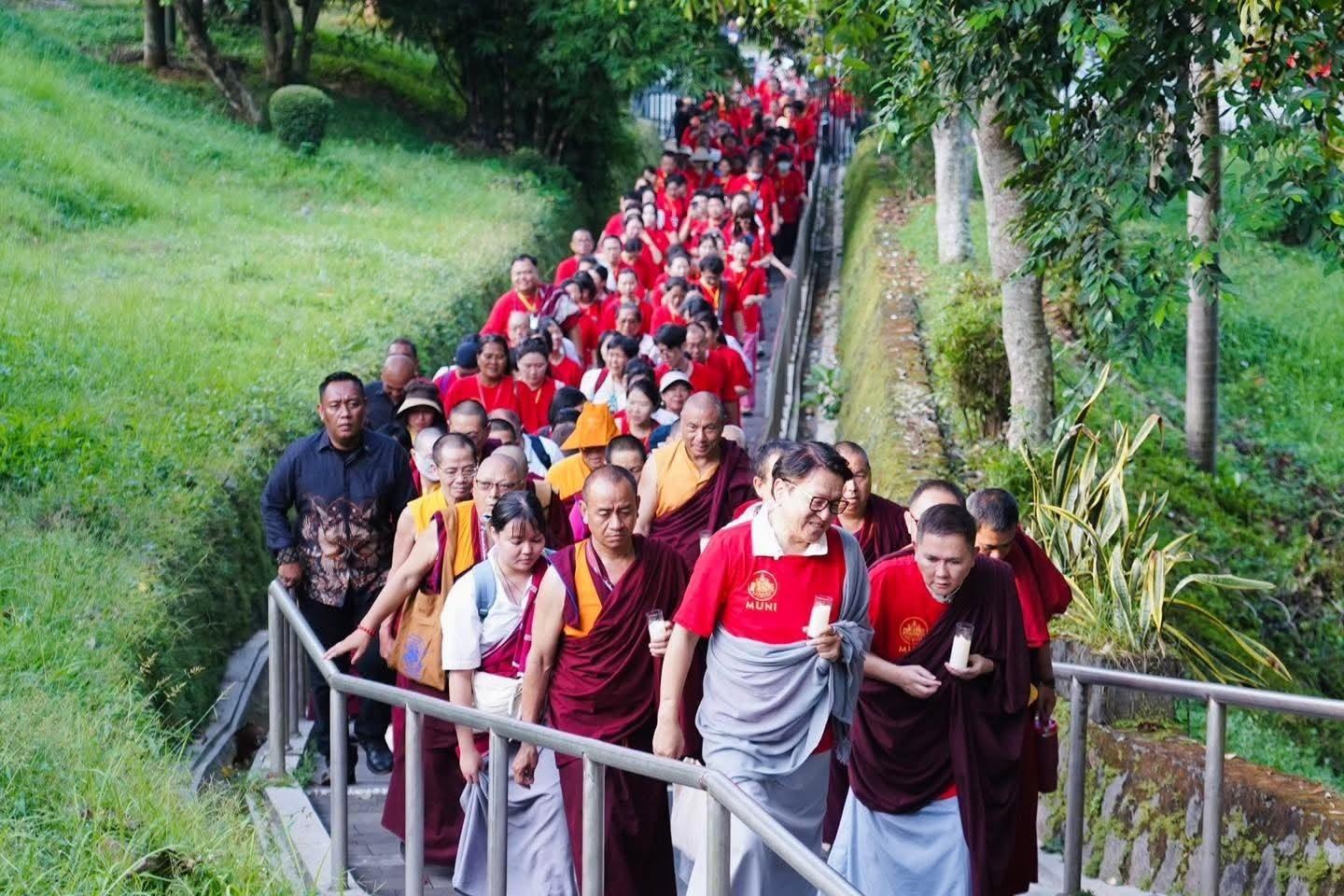
Not every gathering needs to be formal practice. Community occasions help practitioners build friendships, support elders and younger members, welcome newcomers and strengthen connection around shared Dharma values.
A Central Practice
What does Chöd mean?
The Tibetan word Chöd carries the meaning of “cutting” or “severing.”
At its deepest level, what is to be cut is not something external. Chöd directs practice toward the habitual attachment, fear, self-clinging and dualistic grasping through which suffering is continually reinforced.
Within Vajrayana Buddhism, Chöd developed as a profound path combining wisdom, compassion and tantric methods. In the Dudjom tradition, Tröma Nakmo is especially connected with this practice.
The public purpose of this website is to offer context and understanding. Actual Vajrayana practice should be approached through appropriate teachers, transmission and instruction.
First Time Here?
Coming for the first time
- Some association activities may be open to everyone.
- Some practices may require prior instruction or empowerment.
- Visitors should follow the guidance of the teacher or practice coordinator.
- Respectful clothing and behaviour are encouraged.
- Photography may not be appropriate during certain teachings or practices.
- If unsure, contact the association before attending.
Continue Exploring